This demo showcased the Maya SDK for Looking Glass systems. I authored the SDK along with a subcontractor I managed.
This particular demo was one of many that I created for Looking Glass Factory. The full version features a looping animation of the T-Rex doing a ferocious roar (in full-45 views, 8k a frame). I rigged the T-Rex and did the lighting, rendering (Maya native), and production. The models were purchased. I managed the animation which was subcontracted.
2015 - 2020
OBEY for The Lo-Fi Apocalypse, Inc.
Solo-developed game: C#, Unity3D, Maya, PHP, Python, C++, Extendscript (PS scripting)
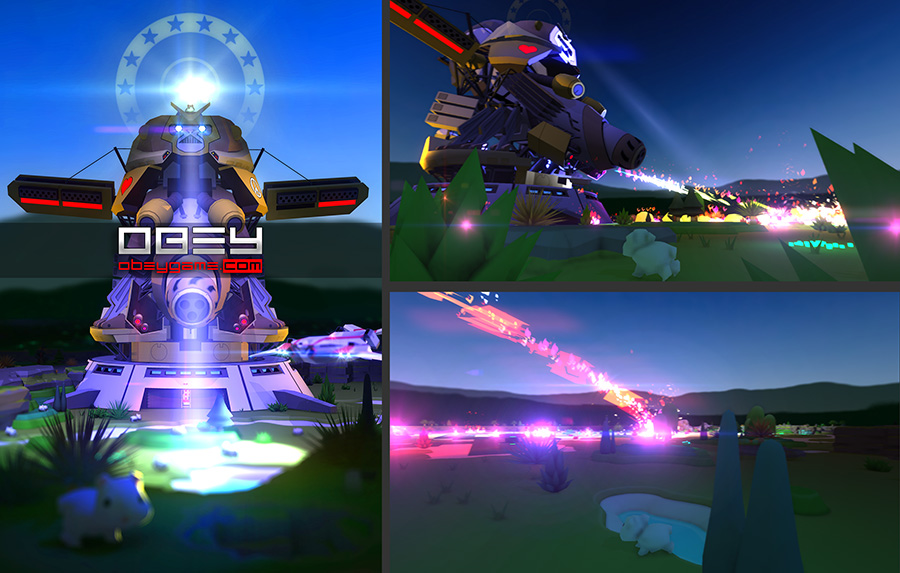
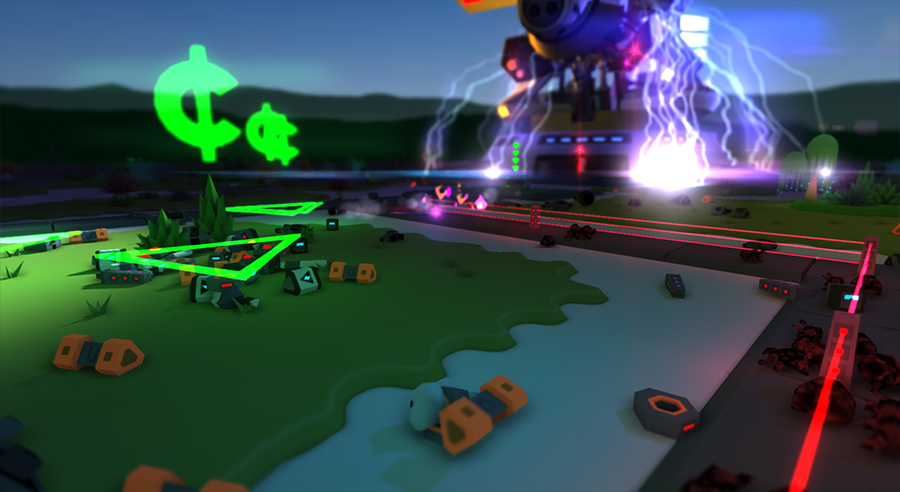
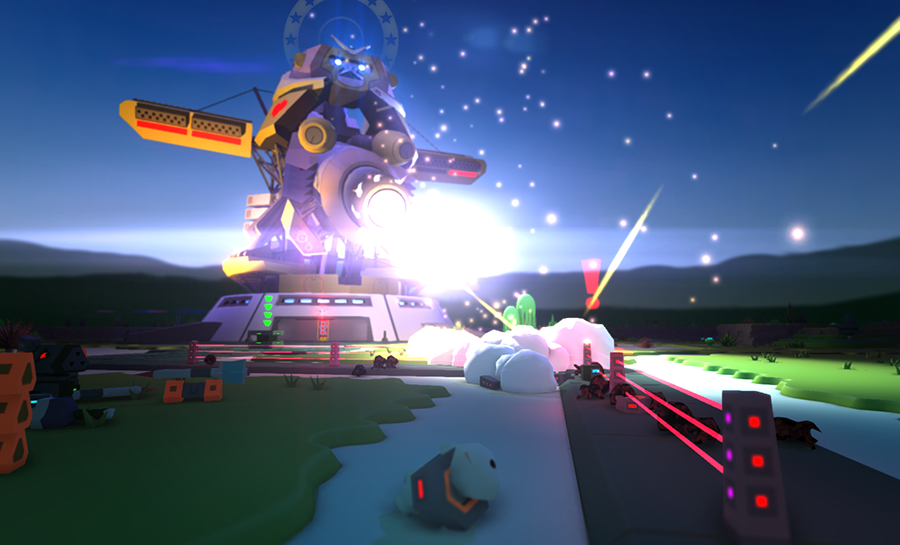
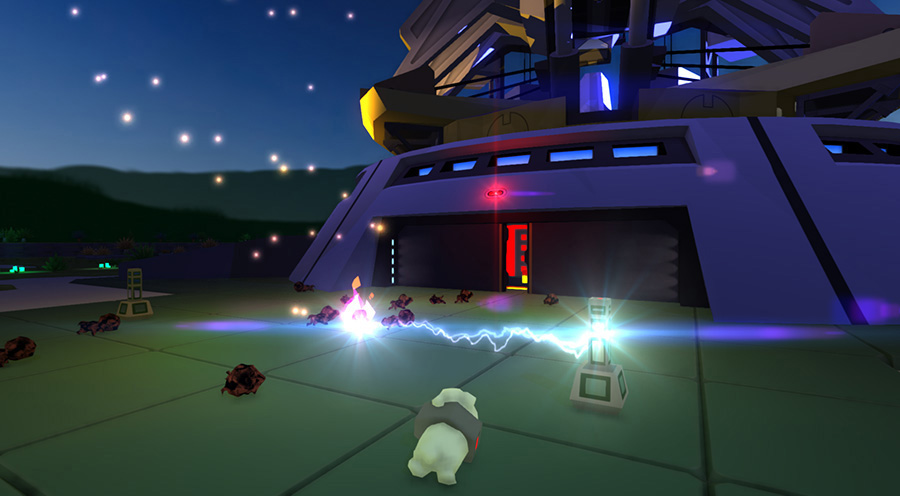
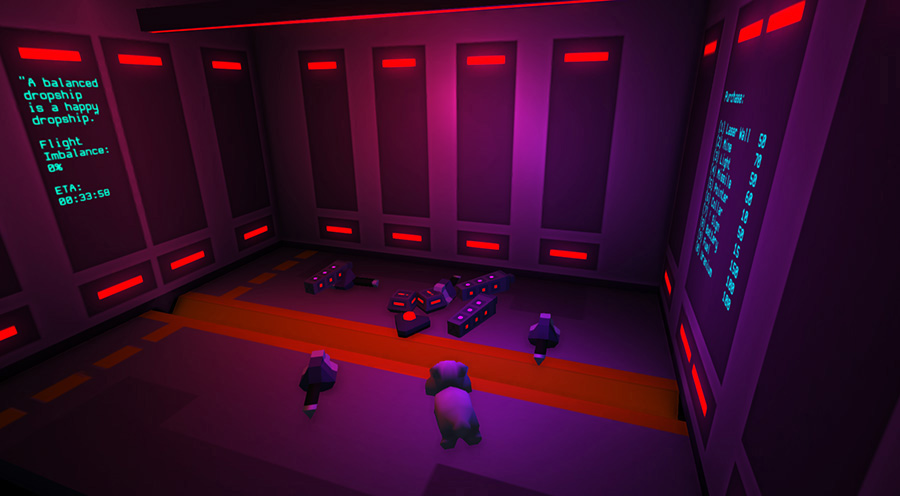
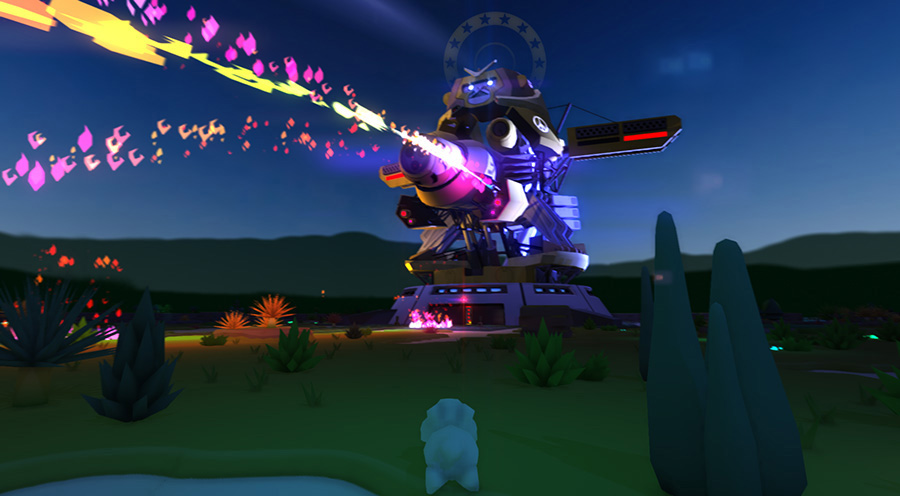
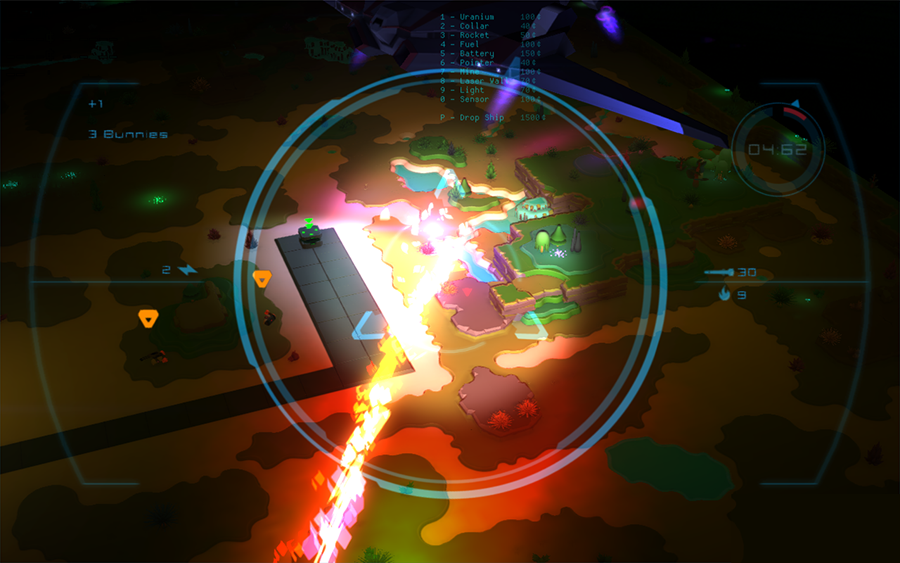
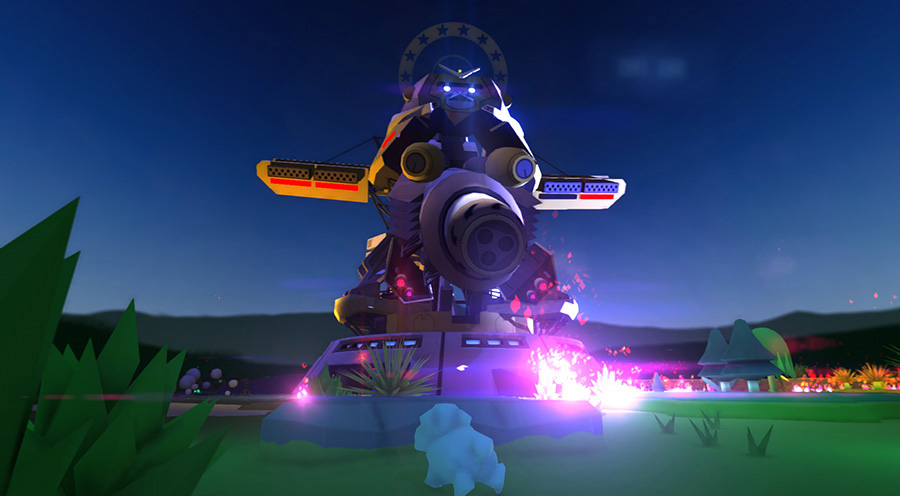
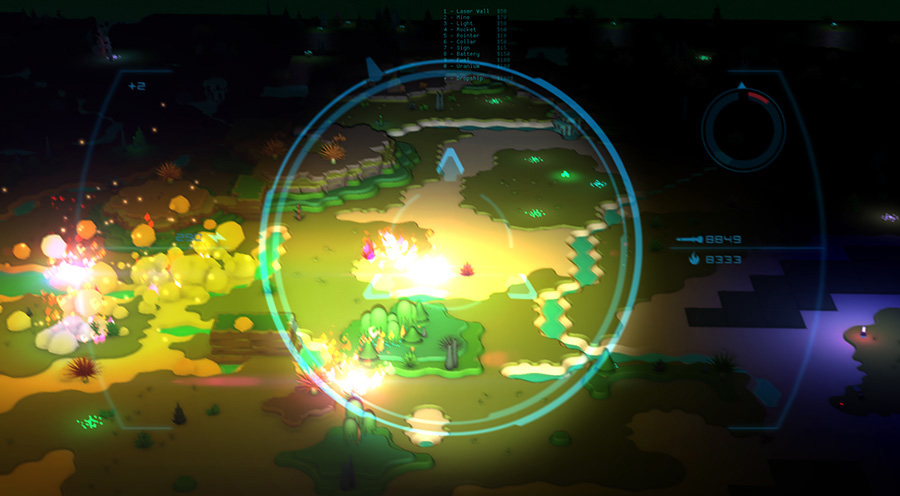
OBEY is a competitive internet-multiplayer 3D action game that I solo-developed. It is currently published on Steam.
OBEY has a VoIP feature, and is a social game that encourages lying and backstabbing. It was designed as an "authoritarianism simulator". It was a passion project I completed over years. Only the music, some sound effects, and some promotional efforts were subcontracted.
OBEY is a Unity/C# project, with pipelines from the Tiled map editor, Maya/MEL, and uses a unique texturing process facilitated with Photoshop scripts. The multiplayer system is a re-engineered version of Valve's spec for their Source Engine multiplayer networking. It also has automated build and publishing tools written in Python,
as well as some mod facilitation tools written in C++, and a master server running in the cloud written in PHP.
2016 - 2019
Volume, Holoplayer One, and Looking Glass display SDKs for Looking Glass Factory
Lead Software Architect: C#, C++, Unity3D, Maya
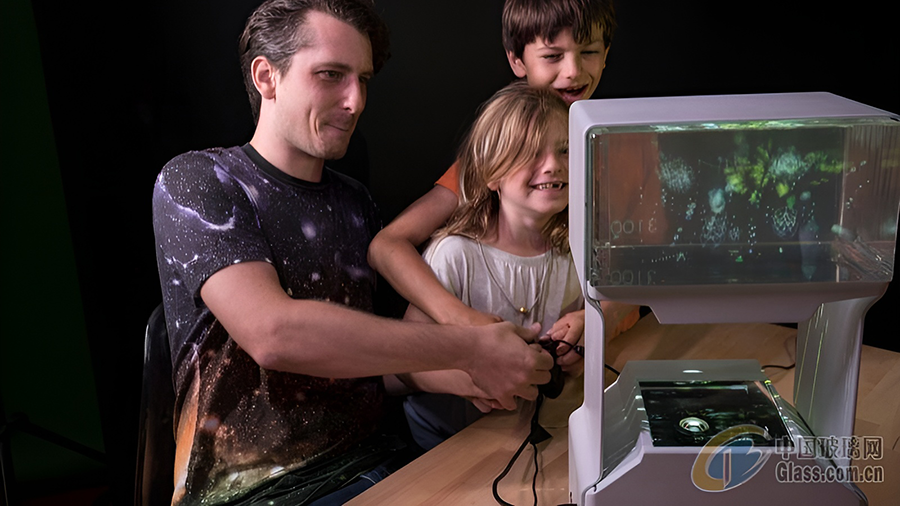
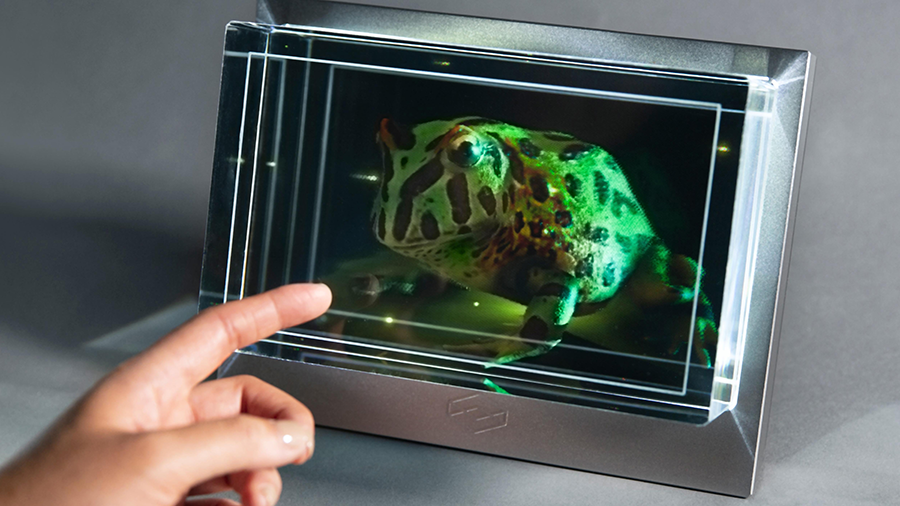
I developed the SDK and calibration system for the "Volume" volumetric display, and was a major contributor to various other SDKs for "holographic display" hardware developed at Looking Glass, including writing the finger tracking algorithms for the "Holoplayer One" and its corresponding calibration system.
I contributed to the Looking Glass Unity SDK, and I developed the Maya SDK on the content creation side. I also developed numerous demos to show off the different Looking Glass hardware offerings.
Looking Glass (lenticular lightfield display)
Holoplayer One (lightfield holographic touch display)
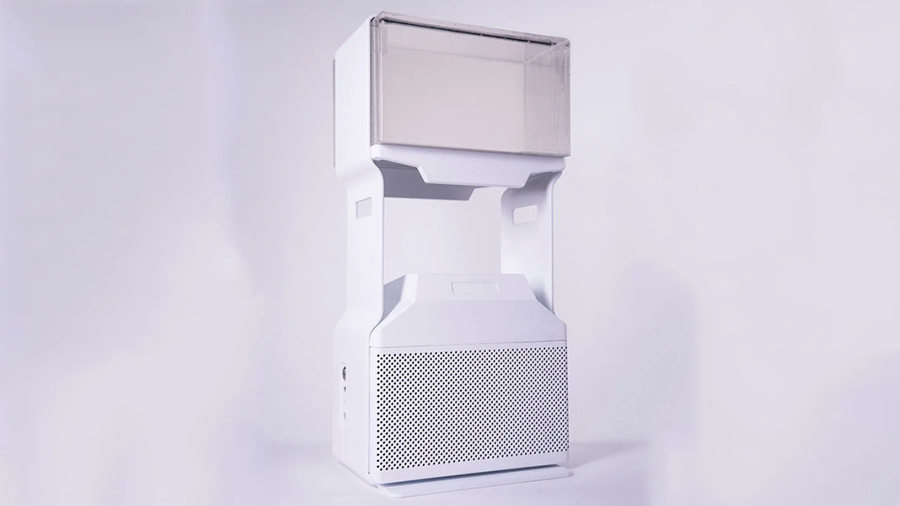
Volume (true volumetric display)
Volume (true volumetric display)
Volume (true volumetric display)
Looking Glass (lenticular lightfield display)
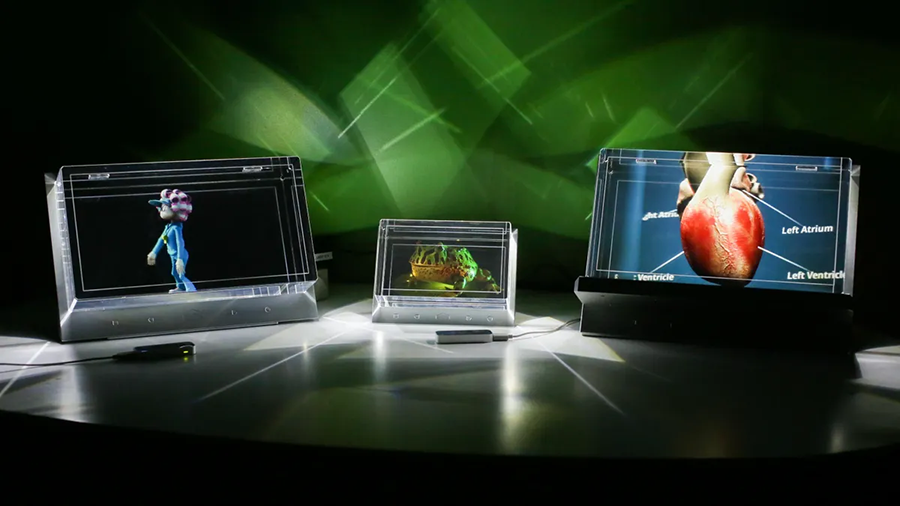
Variant models of 'Looking Glass' type devices
2014
Tiled to Unity for The Lo-Fi Apocalypse, Inc.
Sole-Developer: C#
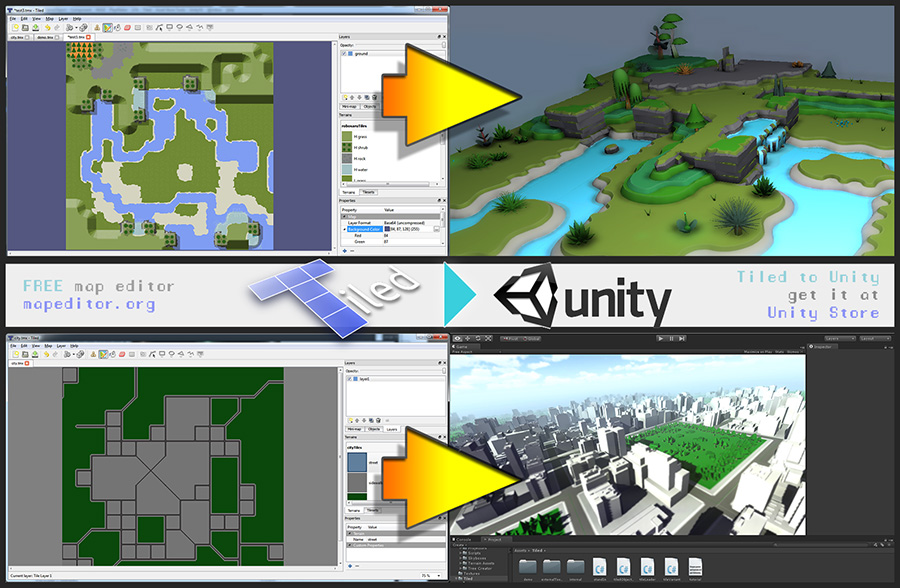
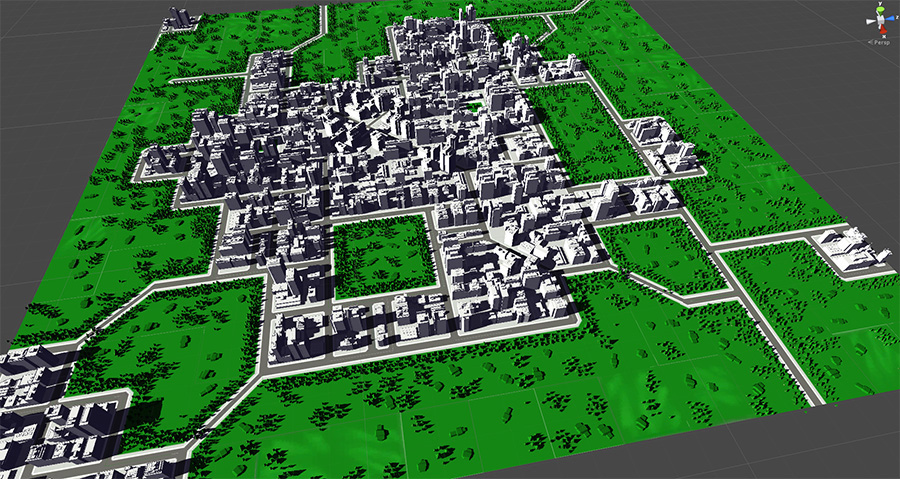
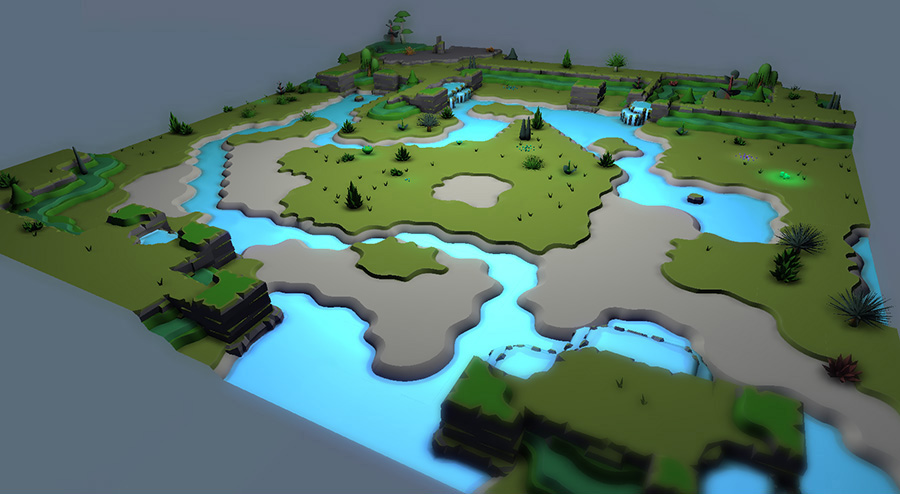
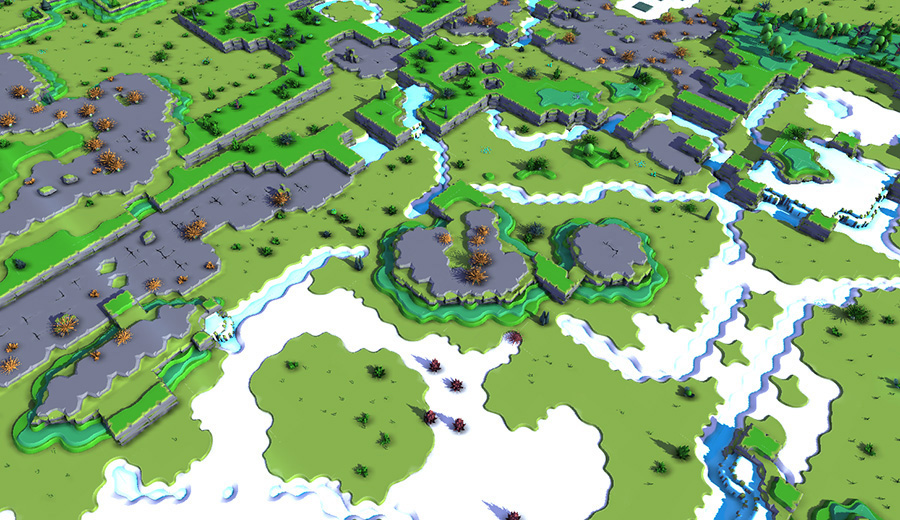
Tiled to Unity is a Unity asset that allows a developer to use the free Tiled Map Editor to create and manage a 3D tiled map of "tile prefabs" in Unity.
It allows players to make custom maps for OBEY, for example. It automatically handles tile variants, and object placement variants in a controlled manner.
2009 - 2014
GunApp for Mobile Dev Group
Lead Developer, Producer, Technical Artist: C++, Maya, MEL, Python, Objective-C
GunApp was an iOS App Store hit, with over 6M downloads and hundreds of thousands of active users. I was the main developer on the project, wrote all gameplay code, and wrote and managed all pipelines, as well as the underlying engine.
At its height, I managed a team of about 5-6 contractors on GunApp (3 artists, a sound engineer, and 1-2 devs besides myself). It featured over 200 weapons, each with their own unique artwork, sounds, and animations. GunApp even had a multiplayer feature, which allowed players to shoot each other's devices over a network, and allowed user created "mod weapons". GunApp was written in C++, with an Obj-C interface to iOS, and an Obj-C menu system. The art pipeline and validation tools centered around Maya and were written in MEL and Python.
2011
F.E.A.R. 3 assets for Warner Bros. Interactive Entertainment
Contract Artist: Maya, 3D Studio Max
2011
4P Air Battle for The Lo-Fi Apocalypse, Inc.
Solo-developed game: C++, Objective-C
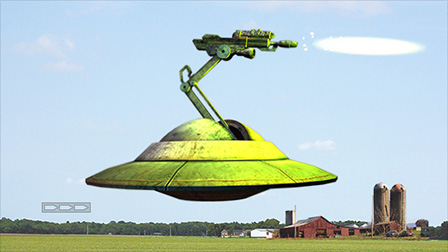
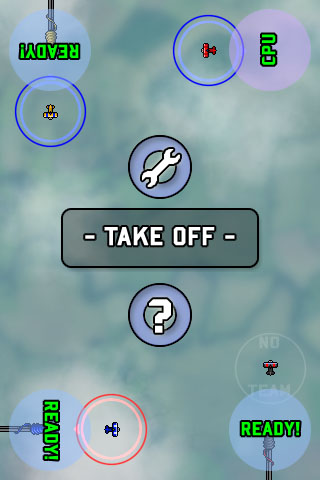
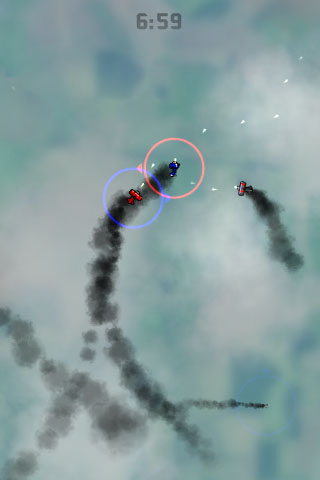
This iOS app allowed 4 players to play simultaneously on 1 device! Written in C++, with Obj-C glue code.
2010
MitraClip eValve Deployment Trainer for Abbott Laboratories
Contract Technical Artist, Modeler, Rigger, Animator: Maya, MEL, Ogre 3D Engine
This heart animation, part of a medical trainer, was easily the most difficult rig I have ever been tasked with. The spec required it to be medically accurate geometrically both internally and externally, while animating
in a medically accurate way both internally and externally. The model featured numerous thin (but not zero thickness) tissues that could not intersect while animating, all while requiring the various anatomical parts of the heart to remain separate exportable objects while animating in sync (without seams or intersecting anywhere).
The focus of the project and final requirement was that the thin mitral valve tissue be interactive
with the virtual apparatus that a user would be trained on. In the end, the real-time animation was achieved by baking the results of a heirarchy of non-realitime deformers into frame-to-frame blend targets (for every heart part) which were exported to the engine.
I developed several custom rigging and animation tools to achieve the result.
The project used the open-source Ogre 3D engine, for which I had previously developed Maya pipeline tools. The heart geometry itself was a purchased model that I modified, rigged, and animated based on feedback from doctors familiar with looking at the heart anatomy through TEE (as well as data and footage of actual beating hearts).
2008
Frontlines: Fuel of War for THQ, Inc.
Environment Art Supervisor: Maya, MEL, Unreal Engine
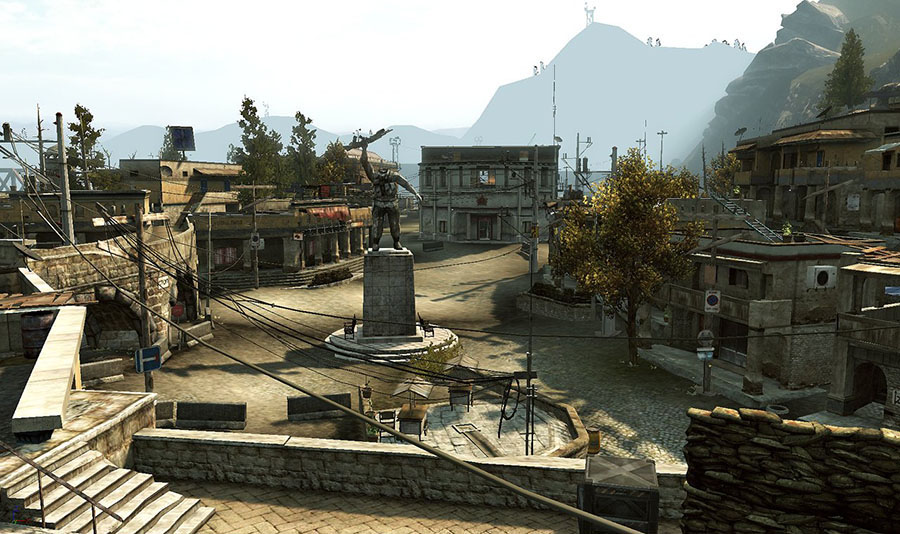
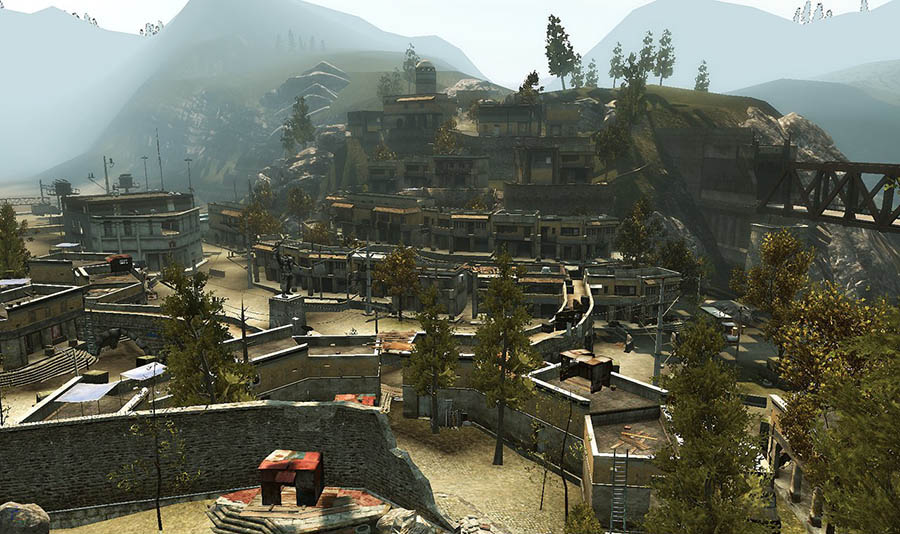
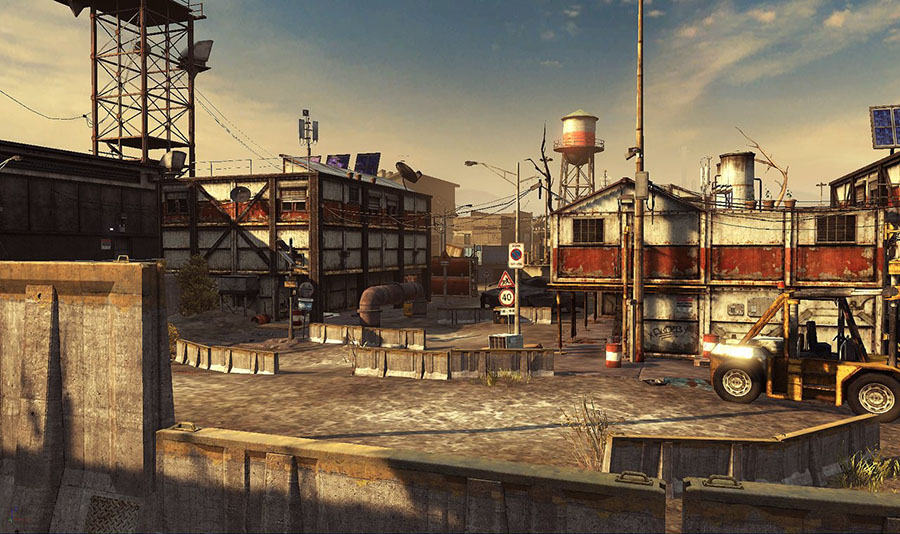
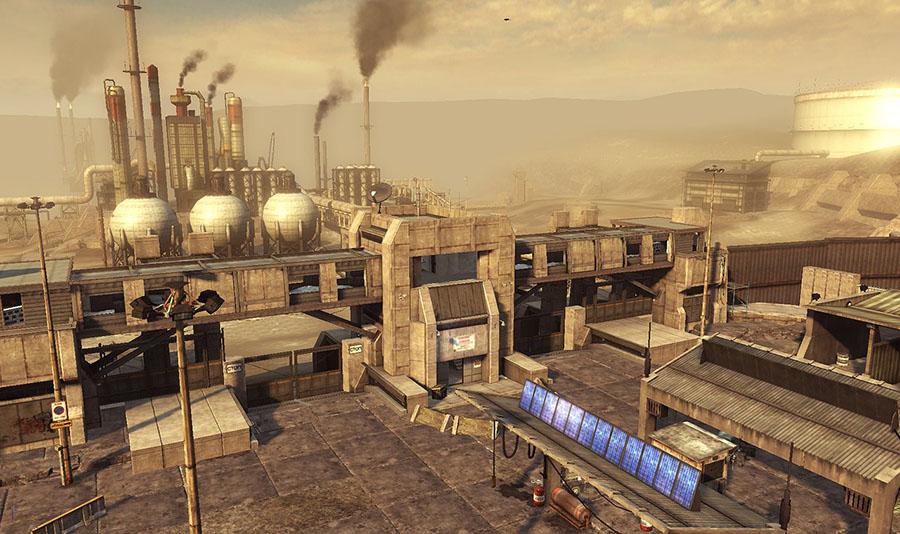
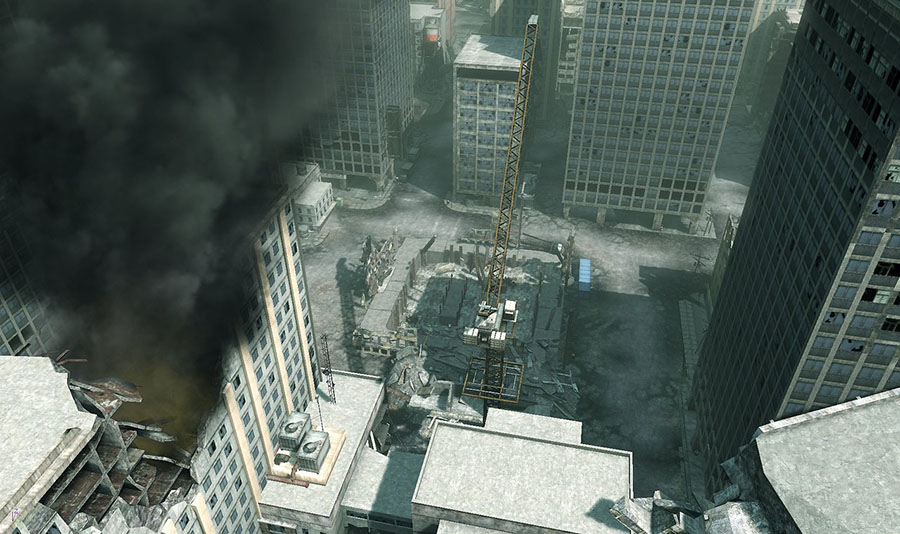
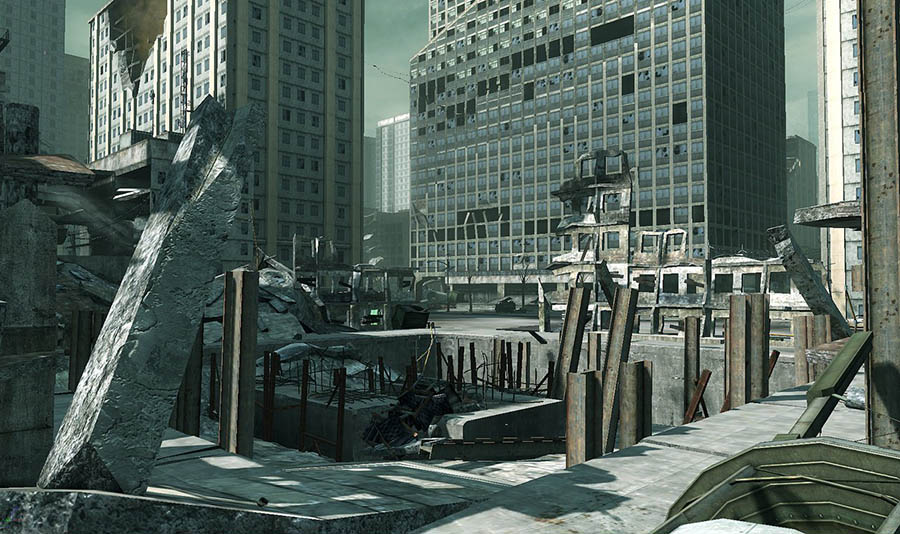
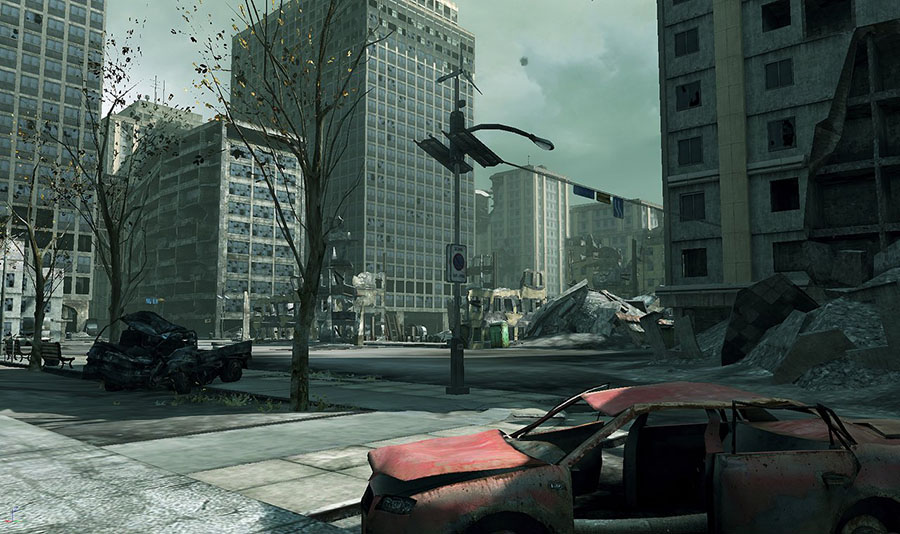
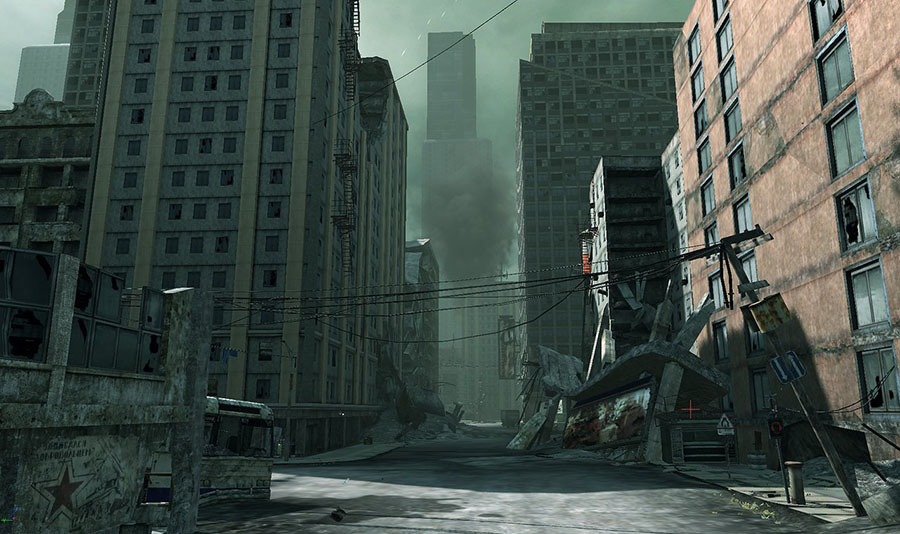
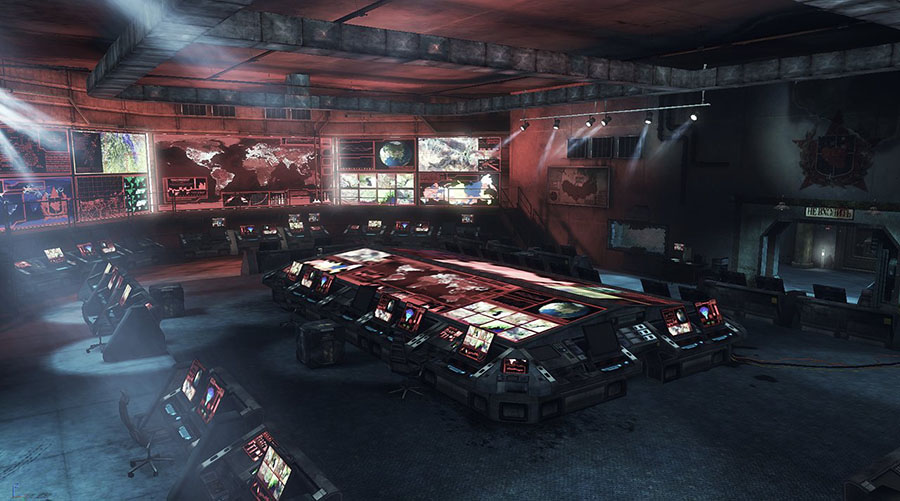
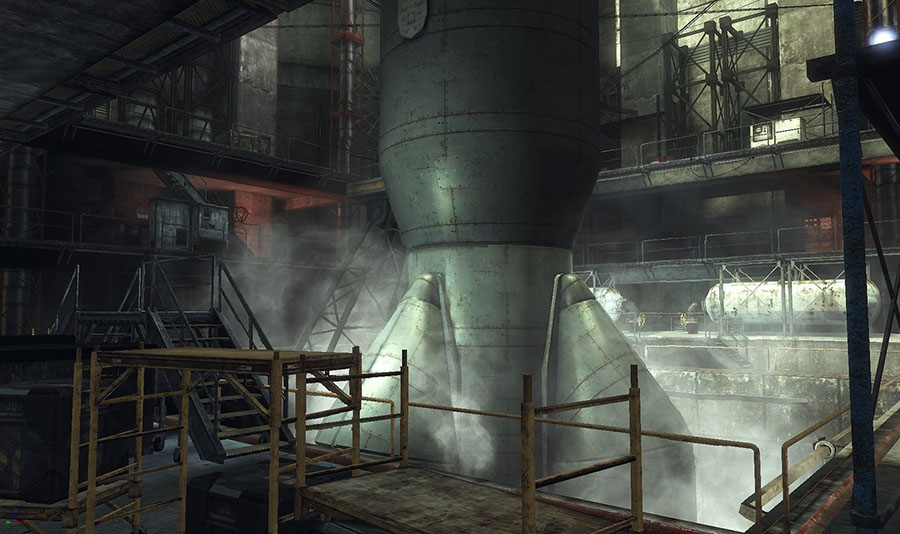
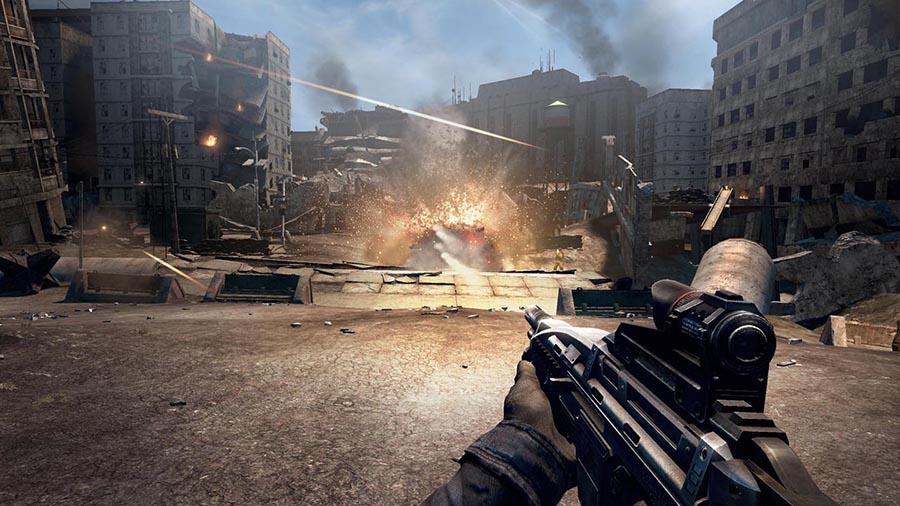
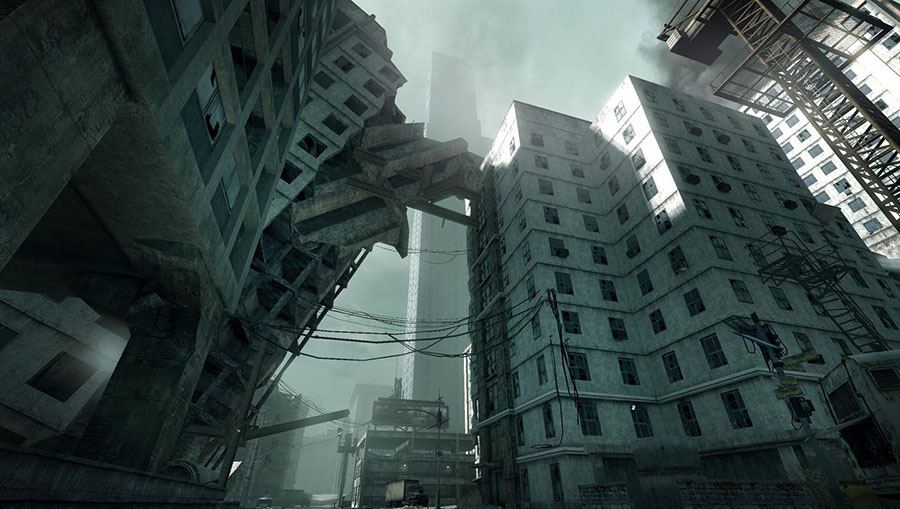
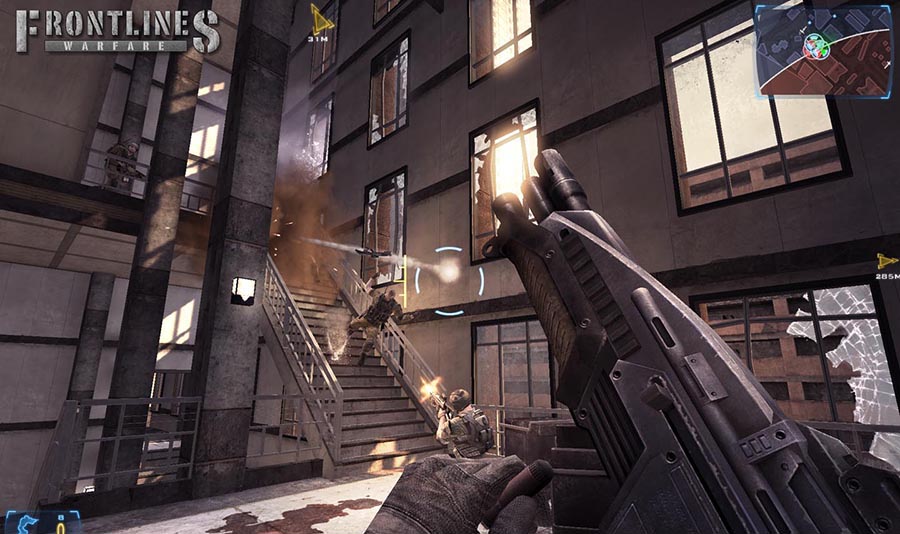
I was an early hire on this project, the first title for the studio (Kaos Studios in NYC). During development, I was normally in charge of a team of 3-4 environment modelers (and on occasion, additional staff). My main contribution involved writing and maintaining the Maya/MEL pipeline tools for
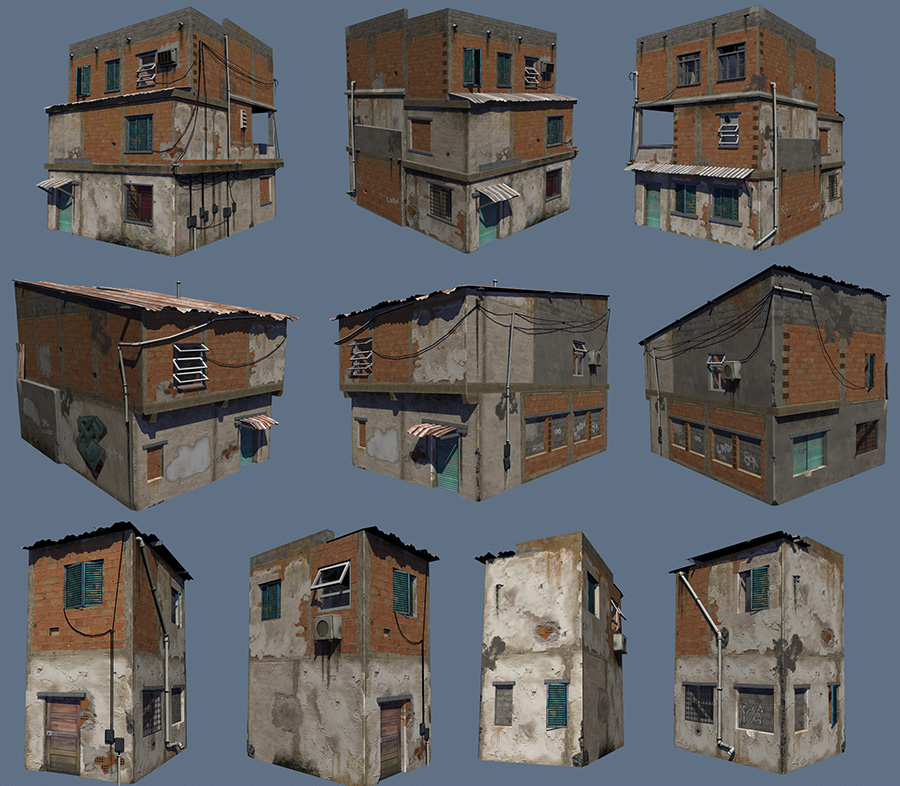
all the art teams, including my own. Every environment asset in the screenshots passed through my desk several times. Functioning as a service to the level design team, my team created and managed an estimated ~4000 assets, including LOD's and destructable variants. I was also responsible for managing the remote modeling teams and did the QA on their deliverables, and
was part of a group of leads responsible for interviewing and vetting new art hires.
2005
"Mechanat" for Episode Technologies 3D Studio Max
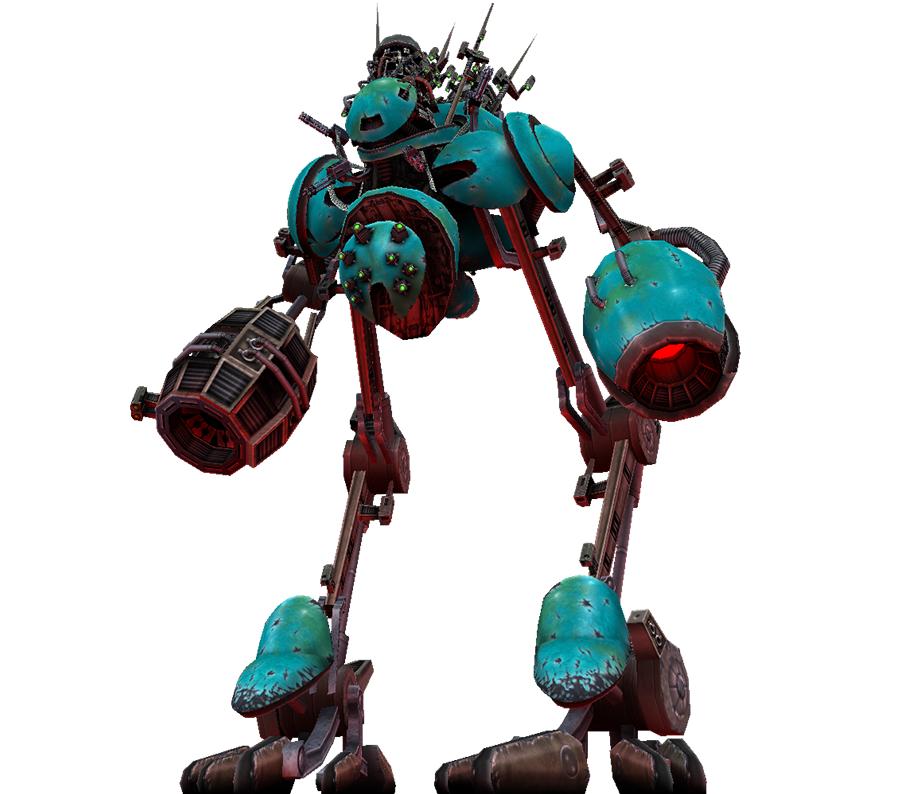
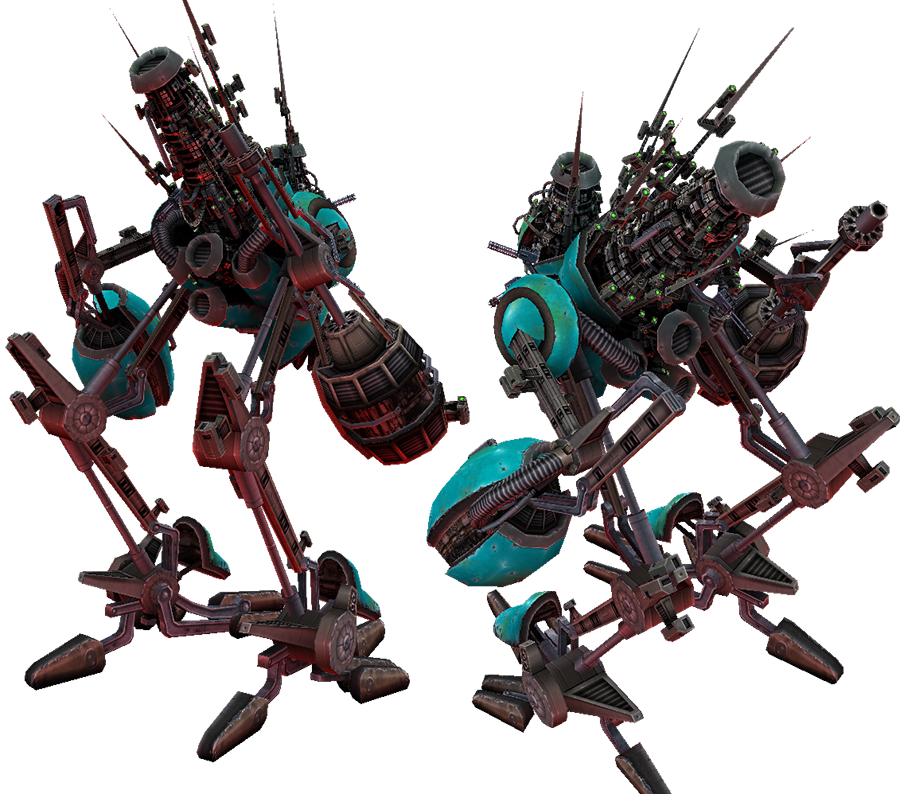
This was a vertex-lit work-for-hire. It uses a single 512 texture! (I was hired)
2005
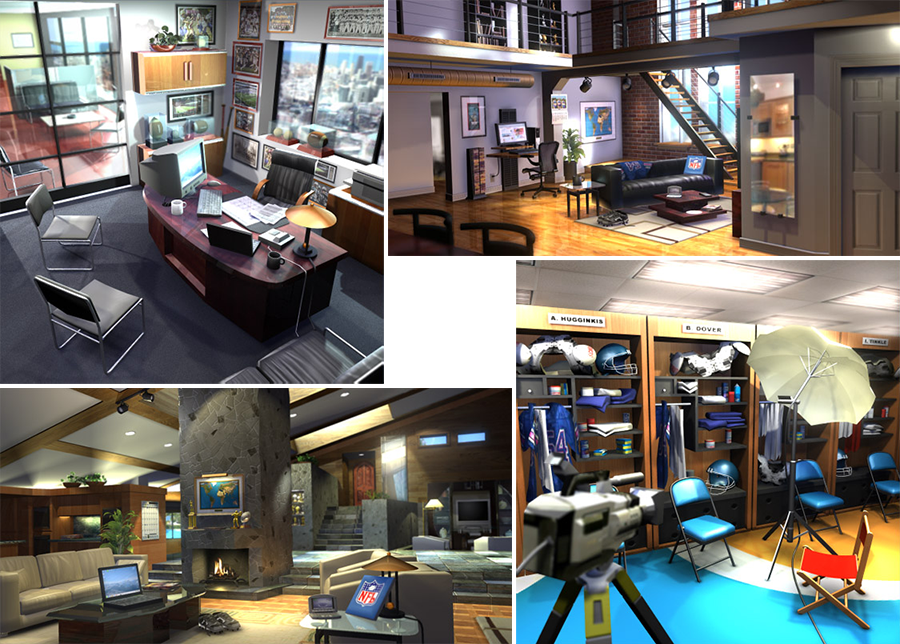
Madden NFL '06 for Electronic Arts Maya
These were created under contract for Maya-rendered scenes used in Madden NFL '06's "persona" campaign feature.
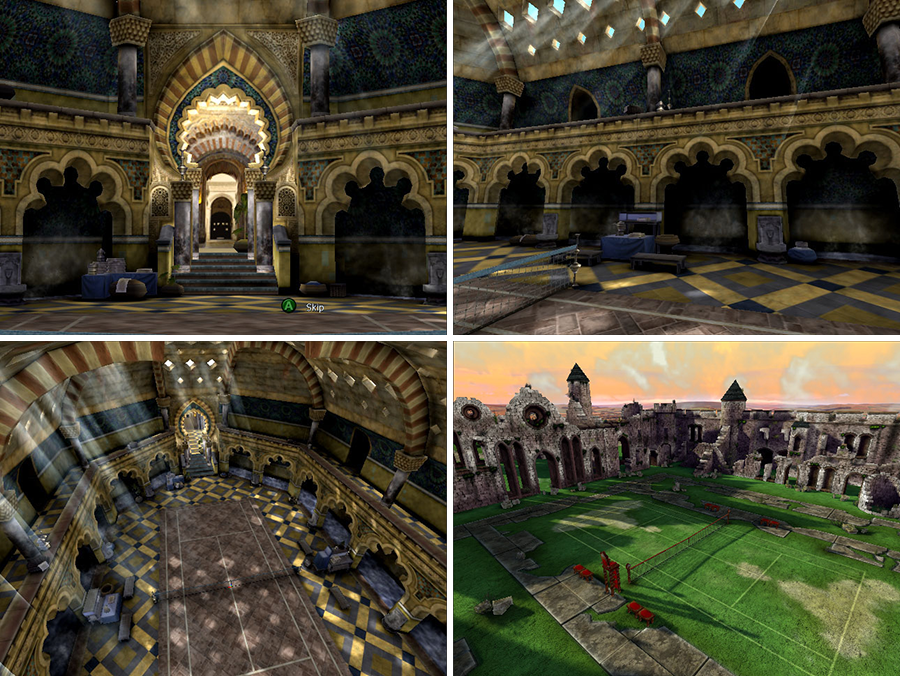
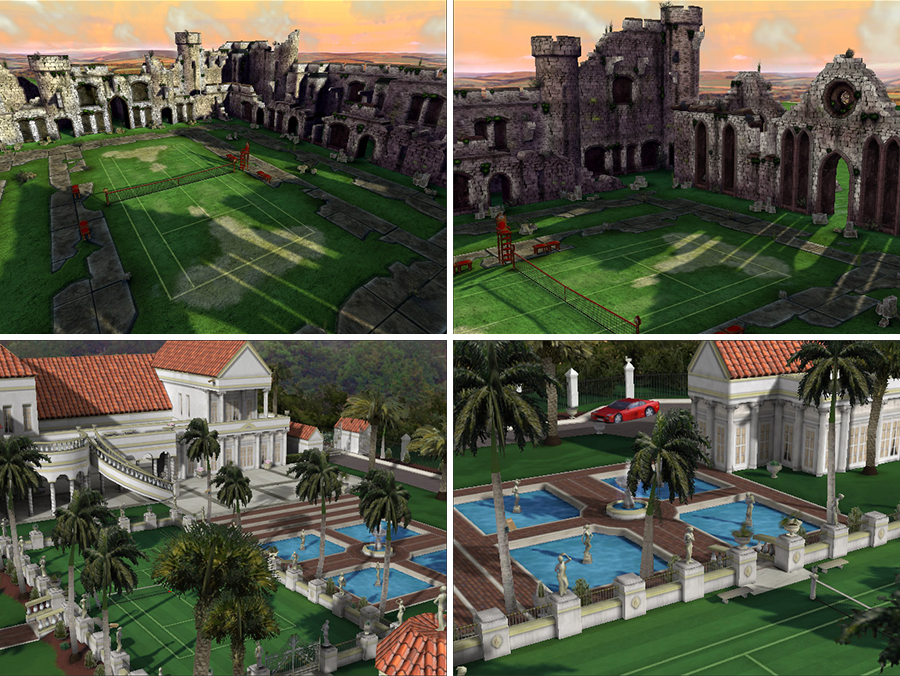
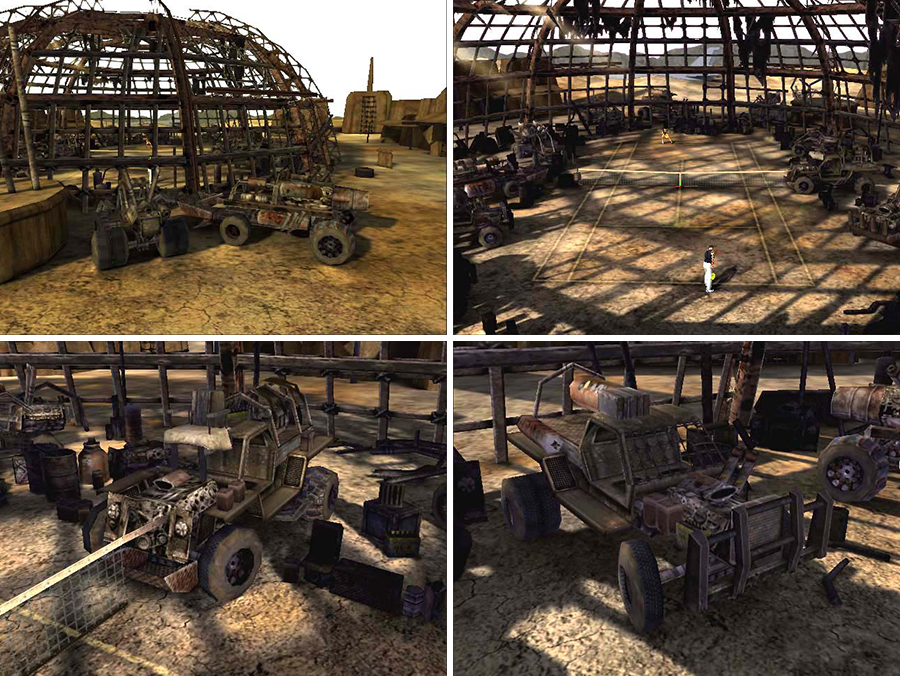
Outlaw Tennis for Global Star Software
Staff Artist: Maya, RenderWare Engine
We used extensive baked lighting to run these maps to run on the PS2. I created about 25% of the level content for this title.
2004
Outlaw Golf 2 for Global Star Software
Staff Artist: Maya, RenderWare Engine
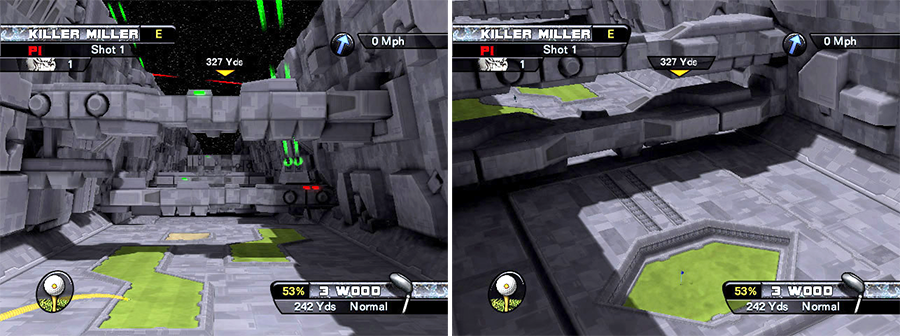
I created about 15% of the level art on Outlaw Golf 2. This particular level was designed to mimic playing golf on the Star Wars Death Star. I also wrote MEL tools to assist production while I was staff at Hypnotix, Inc., the studio where this was developed.
2004
Guru Melon for The Lo-Fi Apocalypse, Inc. Maya
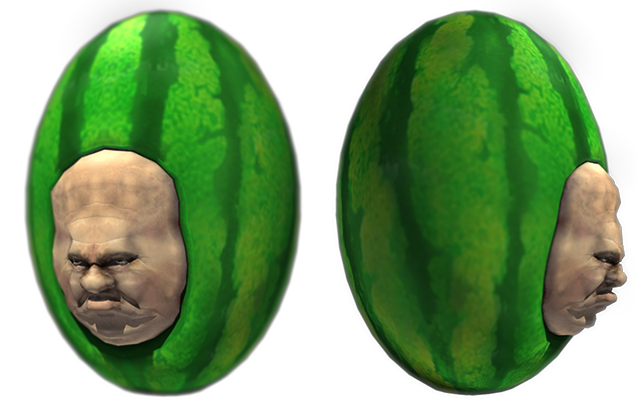
Baked lighting done in Maya. The asset would later be used in an iOS app called Guru Melon, which was a full-cycle pipeline test for indie-publishing iOS apps written in C++.
2004
Leisure Suit Larry: Magna Cum Laude for Vivendi Universal
Environment Artist: 3D Studio Max, Atlas Engine
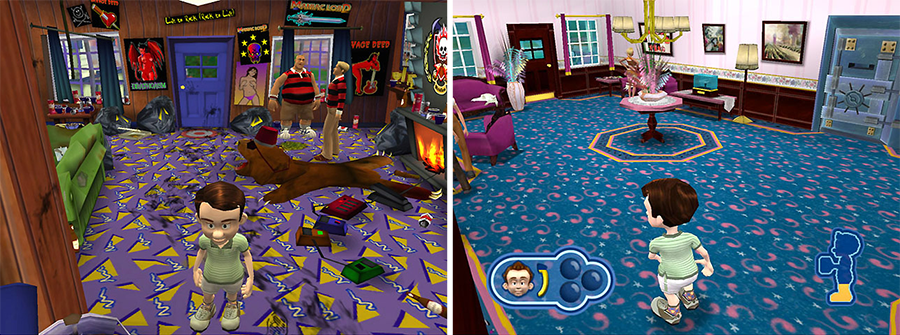
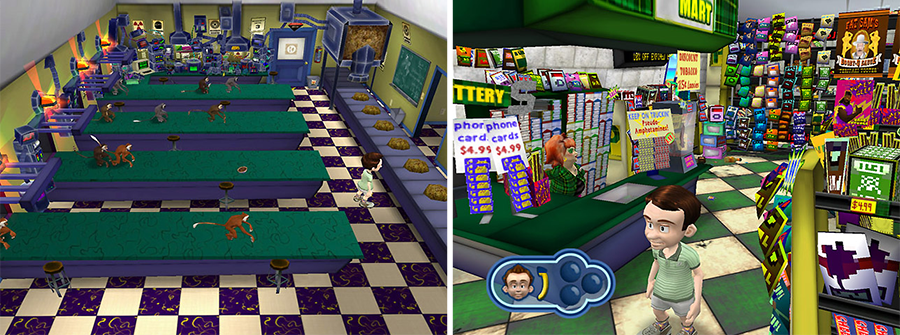
I created about 25% of the level art content for this title. This is rendered using the "Atlas" proprietary engine from High Voltage Software, the studio where we developed this game.
2003
Disney's The Haunted Mansion for TDK Mediactive, Inc.
Environment Artist: 3D Studio Max, Atlas Engine
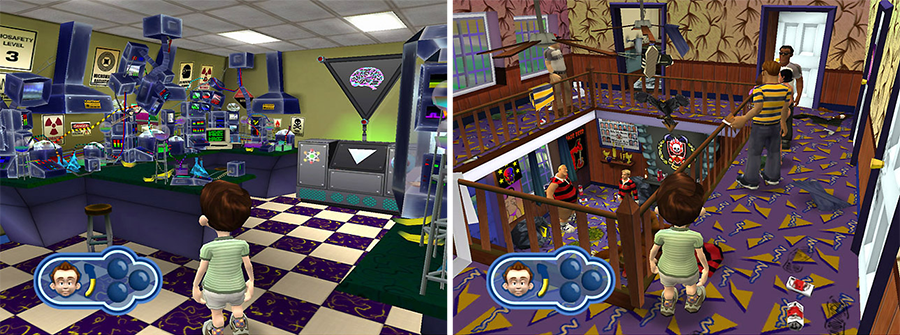
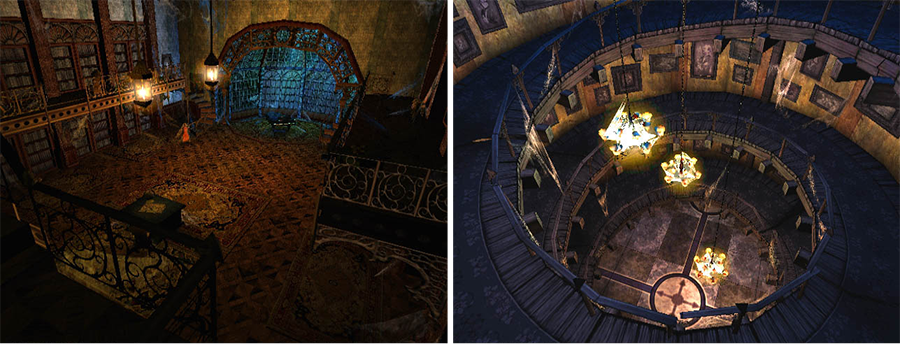
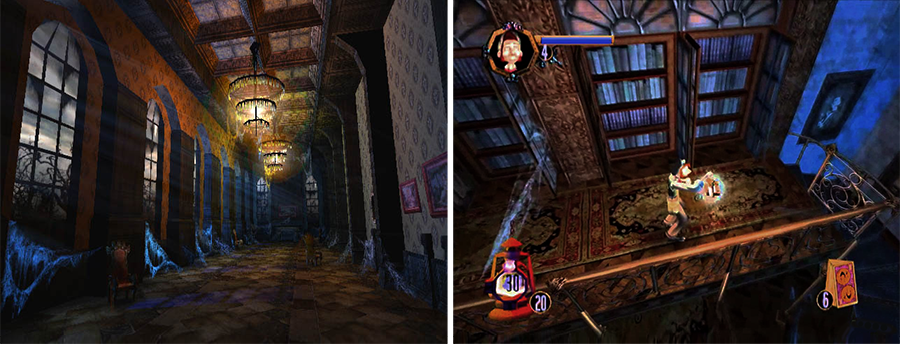
I created about 25% of the level art content for this title. This is rendered using the "Atlas" proprietary engine from High Voltage Software, the studio where we developed this game.